Marine Sanitation Products
by Admin
Posted on 27-02-2025 07:39 PM
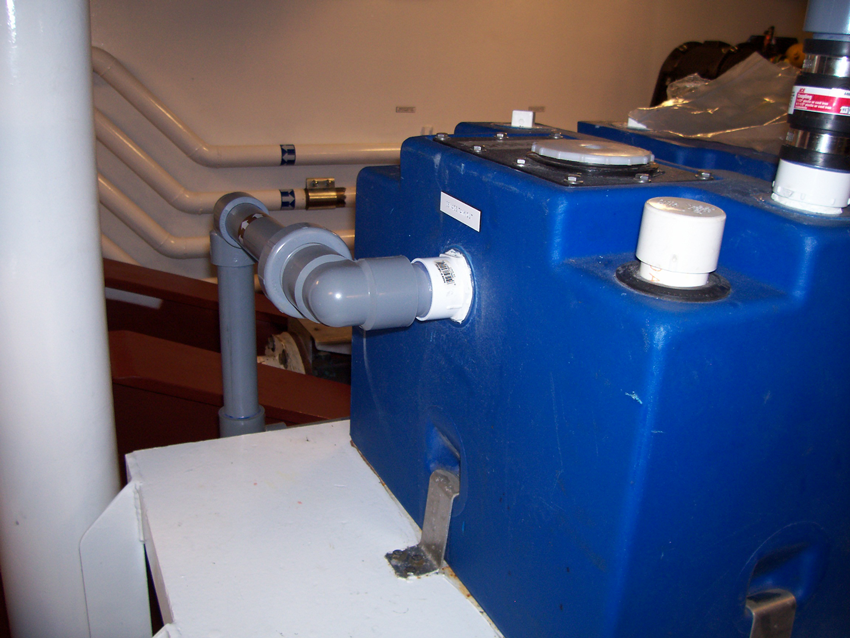
Types of Marine Sanitation Products
There are several types of marine sanitation products available, each with its own unique characteristics and applications. These include holding tanks, treatment systems, toilets, and waste management systems. Holding tanks are used to store waste on board until it can be properly disposed of at a designated facility. Treatment systems, on the other hand, use various technologies to break down and treat waste, making it safer for discharge into the environment. Toilets are a critical component of any marine sanitation system, and come in a variety of styles and designs to suit different needs and preferences. Waste management systems are comprehensive solutions that integrate multiple components to provide a complete waste management solution.
Features and Benefits
Marine sanitation products offer a range of features and benefits that make them essential for any vessel. One of the most significant advantages is the prevention of pollution and protection of the marine environment. By containing and treating waste on board, marine sanitation products help to prevent the release of harmful chemicals and bacteria into the water. This not only helps to preserve the health of marine ecosystems, but also protects human health by preventing the spread of waterborne diseases. Additionally, marine sanitation products can help to reduce odors and improve the overall comfort and cleanliness of the vessel.
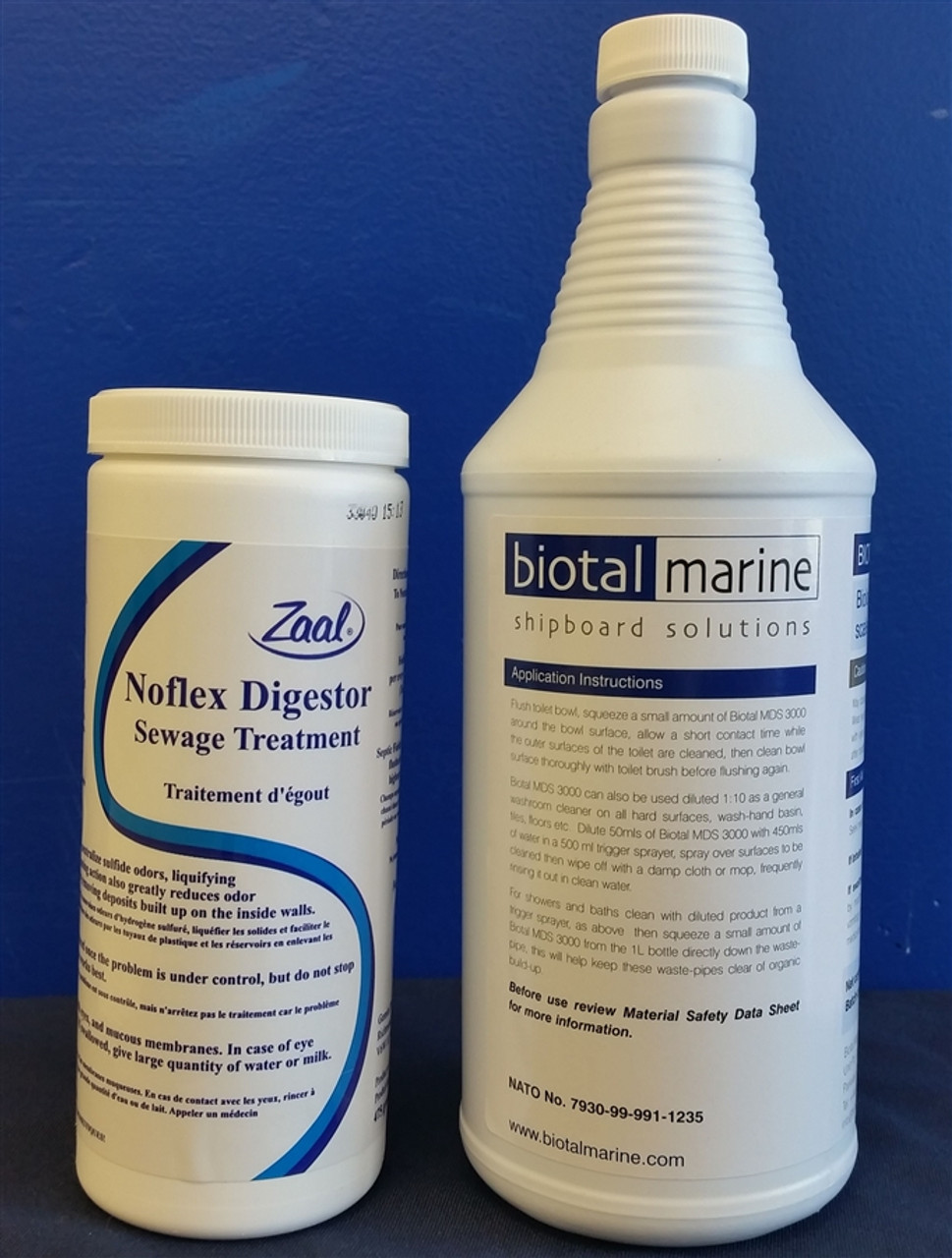
Treatment Systems
Treatment systems are a critical component of any marine sanitation product. These systems use various technologies to break down and treat waste, making it safer for discharge into the environment. There are several types of treatment systems available, including biological, chemical, and physical systems. Biological systems use natural processes to break down waste, while chemical systems use specialized chemicals to treat and disinfect waste. Physical systems, on the other hand, use physical processes such as filtration and sedimentation to remove impurities from waste.
Biological Treatment Systems
Biological treatment systems use natural processes to break down waste. These systems typically involve the use of microorganisms, such as bacteria, to break down organic matter and remove impurities from waste. Biological treatment systems are often preferred because they are environmentally friendly and can be more cost-effective than other types of treatment systems. However, they can be slower and more labor-intensive than other types of systems, and may require more maintenance and upkeep.
Chemical Treatment Systems
Chemical treatment systems use specialized chemicals to treat and disinfect waste. These systems are often faster and more effective than biological systems, but can be more expensive and may have negative environmental impacts. Chemical treatment systems typically involve the use of chlorine or other disinfectants to kill bacteria and other microorganisms, and may also involve the use of coagulants and flocculants to remove impurities from waste.
Waste Management Systems
Waste management systems are comprehensive solutions that integrate multiple components to provide a complete waste management solution. These systems typically include a combination of holding tanks, treatment systems, and toilets, and may also include additional components such as macerators and pumps. Waste management systems are designed to provide a complete and integrated solution for waste management, and can be customized to meet the specific needs and requirements of any vessel.
Selecting the Right Product
Selecting the right marine sanitation product can be a complex and challenging process. There are many different products and systems available, each with its own unique features and benefits. When selecting a product, it is essential to consider factors such as the size and type of vessel, the number of passengers and crew, and the intended use and operating conditions of the vessel. It is also important to consider factors such as cost, maintenance, and environmental impact, and to choose a product that is certified to meet relevant safety and environmental standards.
Maintenance and Upkeep
Proper maintenance and upkeep are essential for ensuring the effective and efficient operation of marine sanitation products. This includes regular cleaning and inspection of the system, as well as periodic maintenance and repairs. It is also important to follow proper operating procedures and to use the system in accordance with the manufacturer's instructions. By following these tips and taking proper care of the system, vessel owners and operators can help to prevent problems and ensure the long-term health and effectiveness of the marine sanitation product.
Regulations and Standards
Marine sanitation products are subject to a range of regulations and standards, including those related to safety, environmental protection, and public health. These regulations and standards are designed to ensure that marine sanitation products are safe, effective, and environmentally friendly, and may include requirements for certification, testing, and inspection. Vessel owners and operators must comply with these regulations and standards, and must ensure that their marine sanitation products meet all relevant requirements.
Conclusion
Marine sanitation products are essential for maintaining a clean and healthy environment on board vessels, as well as preventing pollution of the surrounding waters. By selecting the right marine sanitation products and following proper operating and maintenance procedures, vessel owners and operators can help to ensure the effective and efficient operation of the system. For more detailed information on choosing and maintaining marine sanitation systems, refer to our comprehensive guide to marine sanitation, which can help you contribute to the protection of the marine environment.
FAQs
What are the different types of marine sanitation products available?
There are several types of marine sanitation products available, including holding tanks, treatment systems, toilets, and waste management systems.
How do I select the right marine sanitation product for my vessel?
When selecting a marine sanitation product, consider factors such as the size and type of vessel, the number of passengers and crew, and the intended use and operating conditions of the vessel.
What are the benefits of using a marine sanitation product?
The benefits of using a marine sanitation product include the prevention of pollution and protection of the marine environment, reduction of odors and improvement of comfort and cleanliness, and compliance with safety and environmental regulations.
Can I install a marine sanitation product myself, or do I need to hire a professional?
It is recommended that you hire a professional to install a marine sanitation product, as improper installation can lead to safety and environmental hazards.
How often should I maintain and inspect my marine sanitation product?
Regular maintenance and inspection of the marine sanitation product is essential, and should be performed at least annually, or as recommended by the manufacturer.
What are the consequences of not using a marine sanitation product?
The consequences of not using a marine sanitation product can include pollution of the marine environment, health risks to passengers and crew, and non-compliance with safety and environmental regulations.
Raritan Engineering Company, Inc.
530 Orange St.
Millville, NJ 08332, USA