Marine Hygiene Products
by Admin
Posted on 27-02-2025 07:39 PM
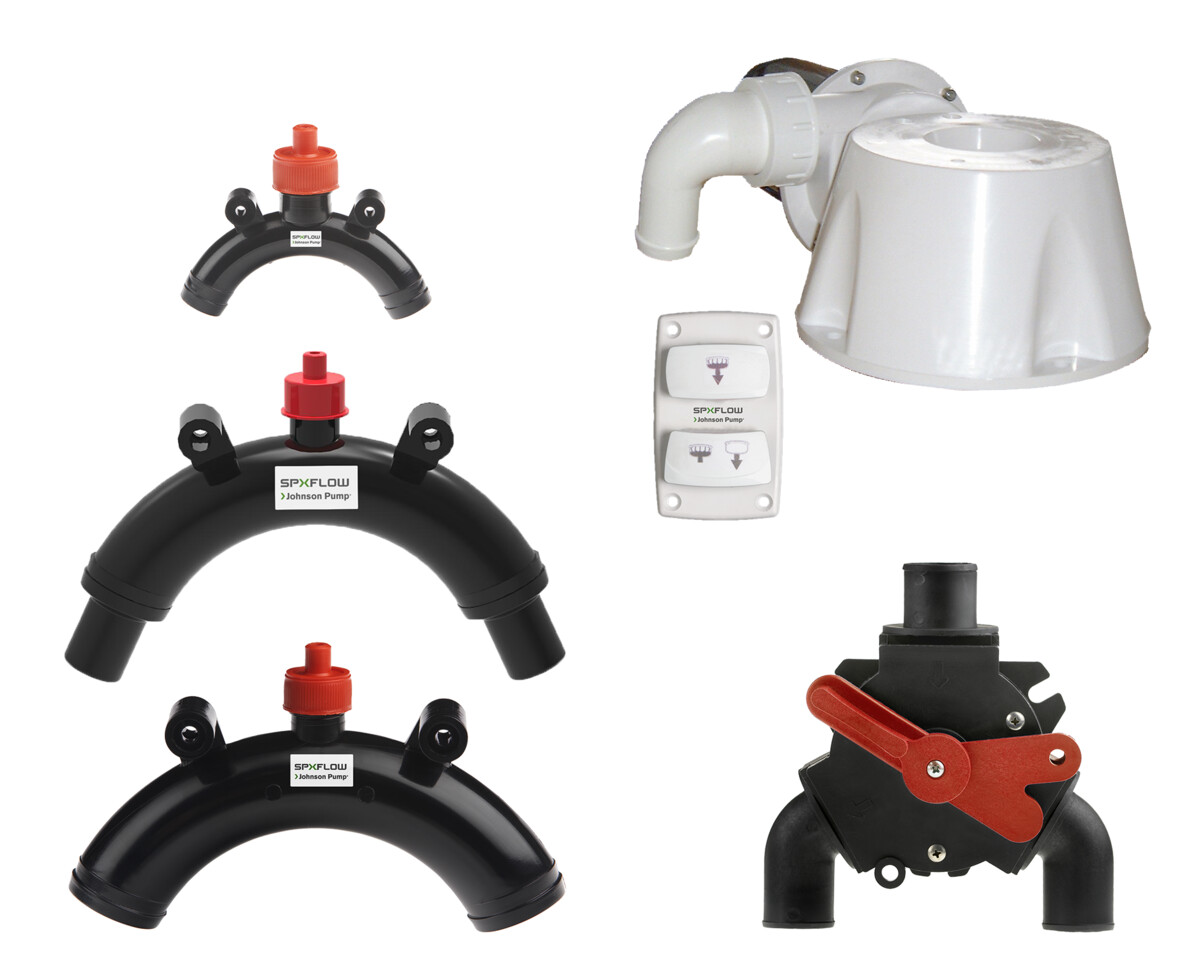
Types of Marine Hygiene Products
Marine hygiene products encompass a wide range of items, including cleaning agents, disinfectants, sanitizers, and personal care products. These products are designed to meet the unique needs of the maritime industry, where the risk of illness and infection can be higher due to the close living quarters and shared facilities. Some common types of marine hygiene products include: * Cleaning agents for surfaces, equipment, and floors * Disinfectants for killing bacteria, viruses, and other microorganisms * Sanitizers for reducing the growth of microorganisms on surfaces and equipment * Personal care products, such as soaps, shampoos, and toothpaste * Laundry detergents and fabric softeners for cleaning and maintaining clothing and textiles

Applications of Marine Hygiene Products
Marine hygiene products have a wide range of applications in various maritime settings, including:
Onboard Ships
Onboard ships, marine hygiene products are used to maintain cleanliness and prevent the spread of illnesses. This includes cleaning and disinfecting surfaces, equipment, and facilities, as well as providing personal care products for crew members. The use of marine hygiene products onboard ships helps to reduce the risk of illness and infection, which can have serious consequences in remote or confined environments.
Offshore Platforms
Offshore platforms also rely on marine hygiene products to maintain cleanliness and prevent the spread of illnesses. The use of cleaning agents, disinfectants, and sanitizers helps to reduce the risk of infection and illness, which can be higher in these environments due to the close living quarters and shared facilities. Additionally, marine hygiene products are used to clean and maintain equipment, surfaces, and facilities, which helps to prevent accidents and ensure the smooth operation of the platform.
Coastal Communities
In coastal communities, marine hygiene products are used to maintain cleanliness and prevent the spread of illnesses in public facilities, such as bathrooms, showers, and laundry facilities. The use of cleaning agents, disinfectants, and sanitizers helps to reduce the risk of infection and illness, which can have serious consequences in these environments. Additionally, marine hygiene products are used to clean and maintain equipment, surfaces, and facilities, which helps to prevent accidents and ensure the smooth operation of the community.
Importance of Marine Hygiene Products
The importance of marine hygiene products cannot be overstated. In the maritime industry, the risk of illness and infection can be higher due to the close living quarters and shared facilities. The use of these products helps to reduce this risk by maintaining cleanliness and preventing the spread of illnesses. Additionally, they play a critical role in preventing the spread of diseases, such as norovirus and influenza, which can have serious consequences in confined or remote environments.
Challenges in Marine Hygiene
Despite the importance of marine hygiene products, there are several challenges that must be addressed. One of the main challenges is the limited availability of fresh water, which can make it difficult to maintain cleanliness and hygiene. Additionally, the maritime industry is subject to strict regulations and guidelines, which can make it difficult to choose the right marine hygiene products. Furthermore, the use of marine hygiene products must be balanced with the need to protect the environment, as some products can harm marine ecosystems.
Environmental Considerations
The use of marine hygiene products must be balanced with the need to protect the environment. Some marine hygiene products can harm marine ecosystems, so it is essential to choose products that are environmentally friendly. This includes products that are biodegradable, non-toxic, and free from harsh chemicals. Additionally, the use of marine hygiene products must be minimized to reduce waste and prevent pollution.
Best Practices for Using Marine Hygiene Products
To get the most out of marine hygiene products, it is essential to follow best practices for their use. This includes: * Reading and following the instructions on the label * Using the right product for the job * Wearing protective clothing and equipment when using marine hygiene products * Minimizing the use of marine hygiene products to reduce waste and prevent pollution * Disposing of marine hygiene products properly to prevent environmental harm
Conclusion
In conclusion, marine hygiene products play a vital role in maintaining cleanliness and preventing the spread of illnesses in the maritime industry. The use of these products helps to reduce the risk of illness and infection, which can have serious consequences in confined or remote environments. By following best practices for their use and choosing environmentally friendly products, we can minimize the risks associated with marine hygiene products and protect the health and well-being of individuals in the maritime industry.
FAQs
What are marine hygiene products?
Marine hygiene products are a range of items, including cleaning agents, disinfectants, sanitizers, and personal care products, designed to meet the unique needs of the maritime industry.
Why are marine hygiene products important?
Marine hygiene products are important because they help to maintain cleanliness and prevent the spread of illnesses in the maritime industry, which can have serious consequences in confined or remote environments.
What are some common types of marine hygiene products?
Some common types of marine hygiene products include cleaning agents, disinfectants, sanitizers, personal care products, and laundry detergents.
How can I minimize the environmental impact of marine hygiene products?
To minimize the environmental impact of marine hygiene products, choose products that are biodegradable, non-toxic, and free from harsh chemicals, and minimize their use to reduce waste and prevent pollution.
Can I use regular cleaning products instead of marine hygiene products?
No, regular cleaning products may not be suitable for use in the maritime industry, as they may not meet the unique needs of this environment. Marine hygiene products are specifically designed to meet these needs and should be used instead.
How often should I use marine hygiene products?
The frequency of use of marine hygiene products will depend on the specific product and the needs of your vessel or facility. Be sure to follow the instructions on the label and use the product as directed.
Raritan Engineering Company, Inc.
530 Orange St.
Millville, NJ 08332, USA