Marine Sanitation Accessories
by Admin
Posted on 27-02-2025 07:39 PM

Types of Marine Sanitation Accessories
Marine sanitation accessories can be broadly categorized into several types, including holding tanks, treatment systems, toilets, and valves. Holding tanks are used to store wastewater and sewage, while treatment systems are designed to break down and disinfect the waste. Toilets are a crucial component of the marine sanitation system, and valves are used to control the flow of wastewater and sewage.
Functions of Marine Sanitation Accessories
The primary function of marine sanitation accessories is to manage and treat wastewater, sewage, and other organic waste. These accessories work together to prevent the spread of diseases, reduce odors and unpleasantness, and protect the marine ecosystem. For example, holding tanks are designed to store wastewater and sewage, preventing it from entering the waterways and causing pollution. Treatment systems, on the other hand, use bacteria, chemicals, or other methods to break down and disinfect the waste, making it safe for discharge into the environment.
Importance of Marine Sanitation Accessories
Marine sanitation accessories are essential for maintaining a clean and healthy environment on board. They prevent the spread of diseases, reduce odors and unpleasantness, and protect the marine ecosystem. Moreover, marine sanitation accessories are required by law in many countries, and boats that do not have proper sanitation systems may be subject to fines and penalties. In addition, a well-functioning marine sanitation system can also increase the value of a boat, making it more attractive to potential buyers.
Components of a Marine Sanitation System
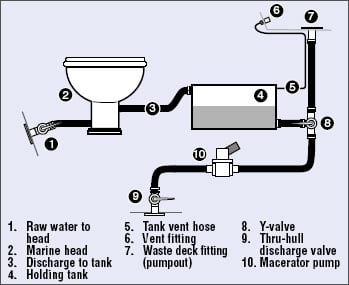
A marine sanitation system typically consists of several components, including a toilet, holding tank, treatment system, and valves. The toilet is the point of entry for wastewater and sewage, and it is designed to handle the flow of waste from the user. The holding tank is used to store the wastewater and sewage, and it is typically made of a durable material such as stainless steel or fiberglass. The treatment system is designed to break down and disinfect the waste, and it may use bacteria, chemicals, or other methods to achieve this goal. Valves are used to control the flow of wastewater and sewage, and they are typically made of a durable material such as bronze or stainless steel.
Sub-Components of a Marine Sanitation System
In addition to the main components, a marine sanitation system may also include several sub-components, such as pipes, fittings, and vents. Pipes are used to connect the various components of the system, and they are typically made of a durable material such as PVC or stainless steel. Fittings are used to connect the pipes to the various components, and they are typically made of a durable material such as bronze or stainless steel. Vents are used to provide ventilation to the system, and they are typically made of a durable material such as stainless steel or fiberglass.
Maintenance and Repair of Marine Sanitation Accessories
Regular maintenance and repair are essential for keeping marine sanitation accessories in good working condition. This may include tasks such as cleaning the toilet and holding tank, checking the treatment system, and inspecting the valves and pipes. It is also important to follow the manufacturer's instructions for maintenance and repair, and to seek professional help if necessary. Failure to maintain and repair marine sanitation accessories can lead to a range of problems, including clogs, overflows, and environmental pollution.
Troubleshooting Common Problems
Despite regular maintenance and repair, marine sanitation accessories can still experience problems. Common issues include clogs, overflows, and odors, and these can be caused by a range of factors, including poor maintenance, incorrect installation, and user error. To troubleshoot these problems, it is essential to identify the root cause and take corrective action. This may include tasks such as cleaning the toilet and holding tank, checking the treatment system, and inspecting the valves and pipes.
Conclusion
Marine sanitation accessories are essential components of a boat's plumbing system, designed to manage and treat wastewater, sewage, and other organic waste. These accessories play a critical role in maintaining a clean and healthy environment on board, preventing the spread of diseases, and protecting the marine ecosystem. By understanding the types, functions, and importance of marine sanitation accessories, boat owners can take steps to maintain and repair their systems, troubleshoot common problems, and ensure a safe and healthy environment for themselves and their passengers.
FAQs
What is the purpose of a holding tank in a marine sanitation system?
A holding tank is used to store wastewater and sewage, preventing it from entering the waterways and causing pollution.
How often should I clean and maintain my marine sanitation system?
Regular maintenance and repair are essential for keeping marine sanitation accessories in good working condition, and this may include tasks such as cleaning the toilet and holding tank, checking the treatment system, and inspecting the valves and pipes.
What are the consequences of not having a proper marine sanitation system?
Boats that do not have proper sanitation systems may be subject to fines and penalties, and may also experience a range of problems, including clogs, overflows, and environmental pollution.
Can I install a marine sanitation system myself, or do I need to hire a professional?
While it is possible to install a marine sanitation system yourself, it is recommended that you hire a professional to ensure that the system is installed correctly and functions properly.
How do I troubleshoot common problems with my marine sanitation system?
To troubleshoot common problems, it is essential to identify the root cause and take corrective action, and this may include tasks such as cleaning the toilet and holding tank, checking the treatment system, and inspecting the valves and pipes.
Raritan Engineering Company, Inc.
530 Orange St.
Millville, NJ 08332, USA